
The Lady of Shalott
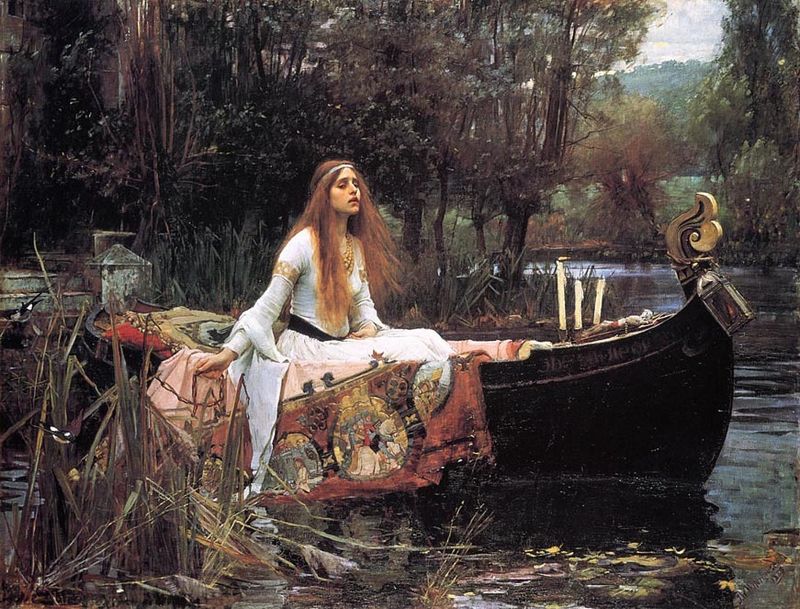
- Date of Creation:
- 1888
- Height (cm):
- 153.00
- Length (cm):
- 200.00
- Medium:
- Oil
- Support:
- Canvas
- Subject:
- Scenery
- Framed:
- Yes
- Art Movement:
- Romanticism
- Created by:
- Current Location:
- London, United Kingdom
- Displayed at:
- Tate Modern
- Owner:
- Tate Modern
The Lady of Shalott Story / Theme
Waterhouse's The Lady of Shalott is based on the poem of the same name by the poet, Alfred Lord Tennyson. Tennyson lived in Victorian Britain from 1809 until his death in 1892.
This poem was written in 1833 and is based on tales from Arthurian Legend, focusing on the plight of Elaine of Astolat, a woman confined to a tower under a curse. She can only watch the outside world from a mirror, and weaves the scenes she sees in tapestries.
One day she watches the knight Lancelot ride by and struck by love looks out the window at him. The mirror cracks and the curse comes into effect. She leaves her tower, knowing that it is her fate to die, and travels down the river to Camelot.
Waterhouse captures the point at which the Lady of Shalott is floating down the river just before her death.
Extract from the poem:
In the stormy east-wind straining,
The pale yellow woods were waning,
The broad stream in his banks complaining.
Heavily the low sky raining
Over tower'd Camelot;
Down she came and found a boat
Beneath a willow left afloat,
And around about the prow she wrote
The Lady of Shalott.
And down the river's dim expanse
Like some bold seer in a trance,
Seeing all his own mischance --
With a glassy countenance
Did she look to Camelot.
And at the closing of the day
She loosed the chain, and down she lay;
The broad stream bore her far away,
The Lady of Shalott.
Lying, robed in snowy white
That loosely flew to left and right --
The leaves upon her falling light --
Thro' the noises of the night,
She floated down to Camelot
And as the boat-head wound along
The willowy hills and fields among,
They heard her singing her last song,
The Lady of Shalott.
Heard a carol, mournful, holy,
Chanted loudly, chanted lowly,
Till her blood was frozen slowly,
And her eyes were darkened wholly,
Turn'd to tower'd Camelot.
For ere she reach'd upon the tide
The first house by the water-side,
Singing in her song she died,
The Lady of Shalott.
The Lady of Shalott Inspirations for the Work
-

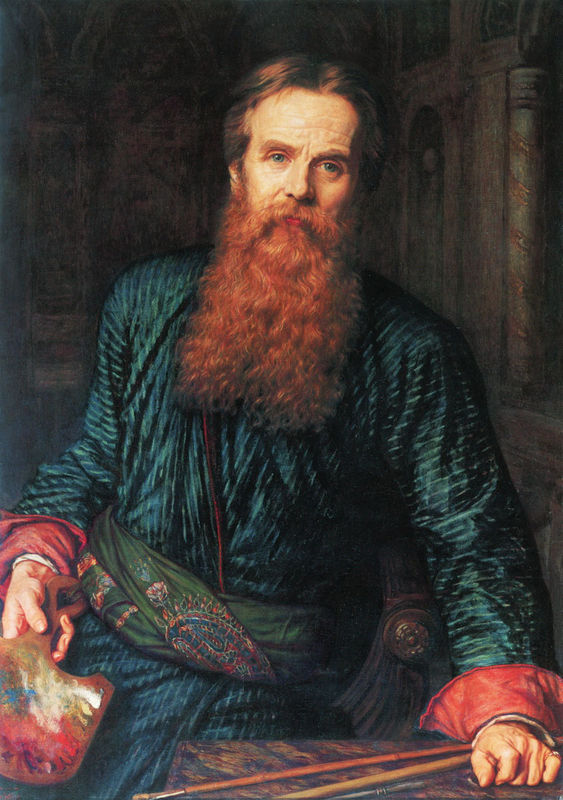
William Holman Hunt
-
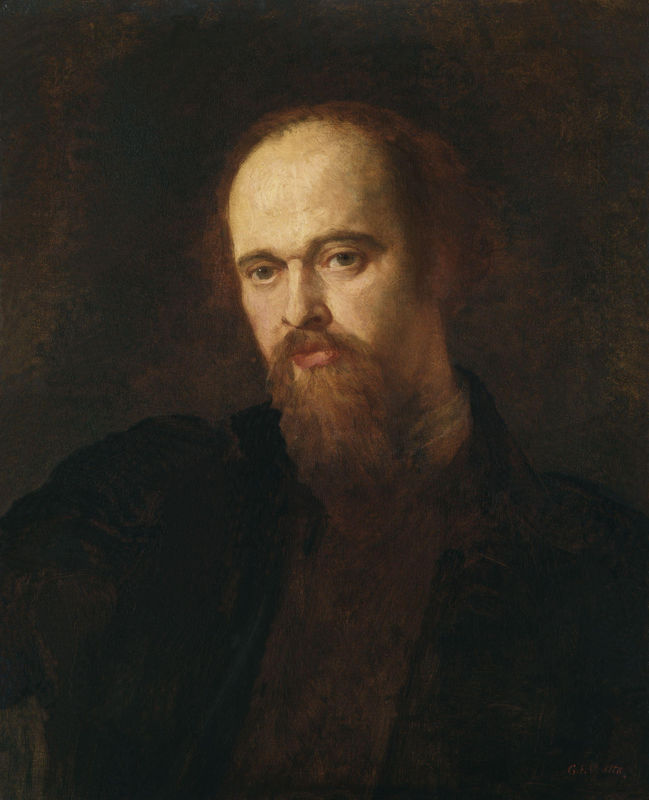
Dante Gabriel Rossetti
As with many Romantic artists Waterhouse took inspirations from ancient tales of heraldry and love. Producing several paintings on the subject, the Lady of Shalott was obviously something of an on going fascination for the artist. The popularity of poets such as Alfred Lord Tennyson during Waterhouse's lifetime also establishes this subject matter as being popular with the public and Waterhouse's patrons. Similar topics have also been covered by earlier pre-Raphaelite artists which may have acted as inspirations for the Waterhouse.
Tennyson's poem:
The main inspiration for Waterhouse's The Lady of Shalott is of course the poem of the same name by Tennyson. Based on the Arthurian Legend of Elaine of Astolat, a woman trapped in a tower and cursed not to look upon the outside world but through a mirror. When she breaks the curse looking through the window at the knight Lancelot, she is doomed to die.
Waterhouse captures the moment as she sets of down the river to Camelot, not long before her death. Tennyson's poem was first published in 1833 and was hugely popular within Victorian society, it undoubtedly came to Waterhouse's attention when he was a boy.
Romantic Sensibilities:
This painting, although the most famous, is not the only one based on the tale of the Lady of Shalott. Therefore we can presume that Waterhouse found this story particularly fascinating. Similar multiple paintings on the same theme, such as those of Ophelia were also produced by the artist. This points Waterhouse's romantic sensibilities and his love of painting beautiful and ultimately tragic women. Many scholars have identified this topic as the artists concern with female sexuality within Victorian society.
Pre-Raphaelites:
Several earlier artists covered the poem of the Lady of Shalott and artists from earlier centuries found inspiration in the Arthurian legends passed verbally through generations.
One of the most prominent Pre-Raphaelite artists who covered the subject was William Holman Hunt. His works on the subject may well have influenced Waterhouse, who was known to be part of the later Pre-Raphaelite movement. In fact the 1857 edition of the poem featured illustrations by Hunt and Dante Gabriel Rossetti.
The Lady of Shalott Analysis
-
The Lady of Shalott
-

In order to make his painting pleasing to his viewer Waterhouse employed several artists techniques to make his composition both realistic and true to the story of The Lady of Shalott.
Composition:
Waterhouse creates a balance between the lady and the horizons at each side of the painting, whilst keeping the boat in full view.
Symbolism:
In the Pre-Raphaelite tradition Waterhouse uses symbolism to add further narrative to the painting.
Color:
An autumnal color palette invokes the idea that the lady is in the autumn of her life, even the nature around her is dying.
Method:
Waterhouse often used models in order to create realistic women in his paintings; The Lady of Shalott is no exception to this.
The Lady of Shalott Critical Reception
As one of Waterhouse's best known works today, The Lady of Shalott remains very popular and has a wide range of appeal. Often one of the most requested prints at art stores it is easy to see the appeal of this beautiful painting.
Waterhouse's contemporaries also felt this, his sentiment and Romanticism was in style during Victorian times and his skill as an artist greatly impressed fellow artists and critics.
However in the early 20th century what some would call the "overly sentimental" or "overly dramatic" style of Waterhouse and other Romantic artists came under great criticism, as modern art became popular and rebelled against the realism of the Victorian age.
In his book "Olympian Dreamers," the modern critic and dealer Christopher Wood writes: 'John William Waterhouse only had "one song to sing" yet he "sang it very beautiful".
This is in true resonance of the full circle which critical reception for the work of John William Waterhouse had undergone.
The Lady of Shalott Related Paintings
-
-
The Lady of Shalott
-
The Lady of Shalott
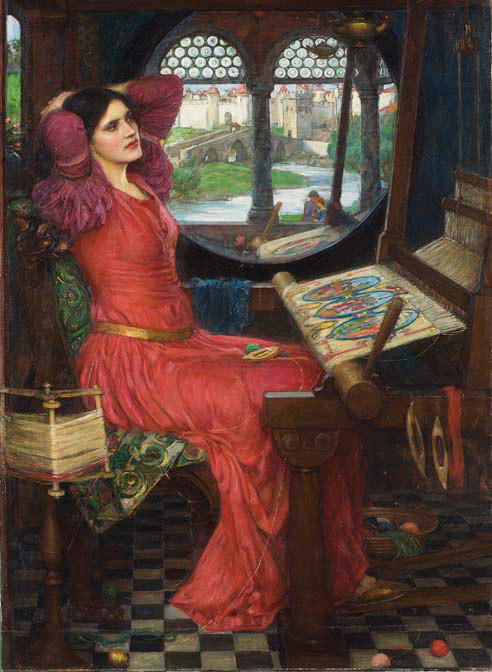
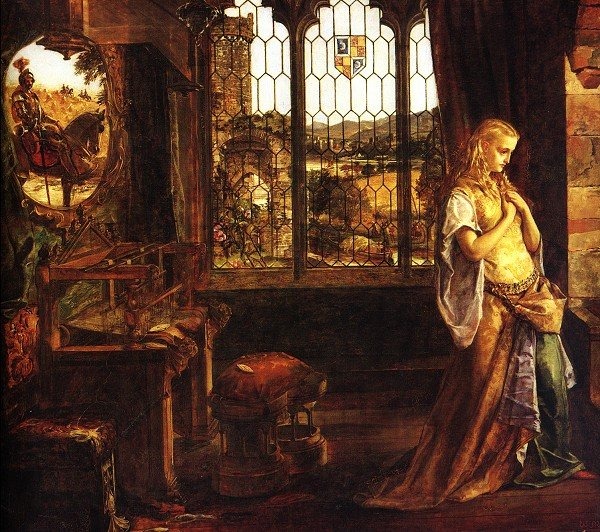
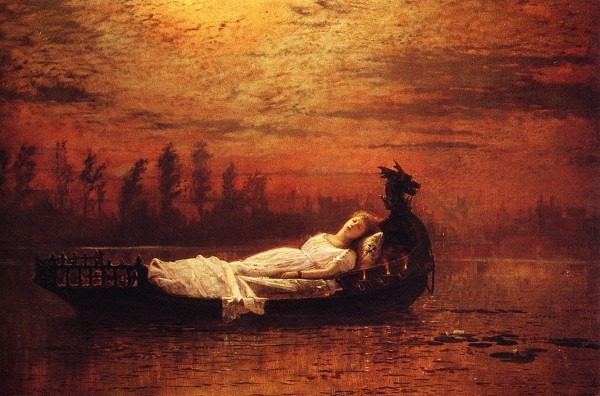
Waterhouse himself produced several paintings based on Tennyson's poem The Lady of Shalott and this literary work has also been a source of inspiration for a range of other artists.
The Lady of Shalott Locations Through Time - Notable Sales
This picture was bought by Henry Tate upon its completion in 1888. Today it can be found in the Tate Modern in London, England.
The Lady of Shalott Artist
-
I Am Half-Sick of Shadows Said the Lady of Shalott
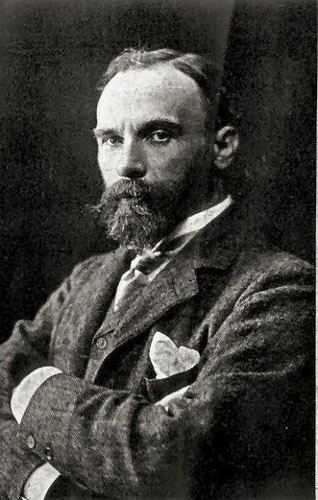
John William Waterhouse was a Romantic artist in the truest sense. His passion for a natural setting and his love of strong and beautiful female figures made his work truly unique and extremely popular with his patrons. His paintings of classical and mythical scenes show a true mix between Neoclassical themes and Romantic style which would develop through other artists in the rest of the 19th century.
Waterhouse led a relatively quiet life, one without any evidence of major drama or upset, and instead created beautiful works of art which illustrated tales of love and tragedy.
With The Lady of Shalott Waterhouse took inspirations from ancient tales of heraldry and love. The popularity of poets such as Alfred Lord Tennyson during Waterhouse's lifetime also establishes this subject matter as popular with the public and Waterhouse's patrons.
Waterhouse himself produced several paintings based on Tennyson's poem during his career.
The Lady of Shalott Art Period
John William Waterhouse was born in the mid 19th century, at a time when the Industrial Revolution was in full swing and poverty was rife within the poorer communities of his native country of England. In the art world, many professionals were rebelling against the pure and realistic lines of the Neo-Classical period to have come before them. They started to produce paintings and sculpture which took the viewer into a new world, far removed from the realities of everyday life.
The Lady of Shalott Bibliography
Below is a list of recommended books relating to Waterhouse and his paintings.
• 'Waterhouse. John William Waterhouse' by Aubrey Noakes, 2004
• 'J. W. Waterhouse: The Modern Pre-Raphaelite' by Peter Trippi, Elizabeth Prettejohn, Robert Upstone, and Patty Wageman , 2009
• 'J. W.Waterhouse' by Anthony Hobson,1993
• 'Murielle: The Story of a Model, a Painting and the Artistry of John William Waterhouse' by James Kaye, 2004
• 'J. W. Waterhouse. Illustrations in colours' by Rose E. D. Sketchley and John William Waterhouse ,1909.