
Sandro Botticelli Biography
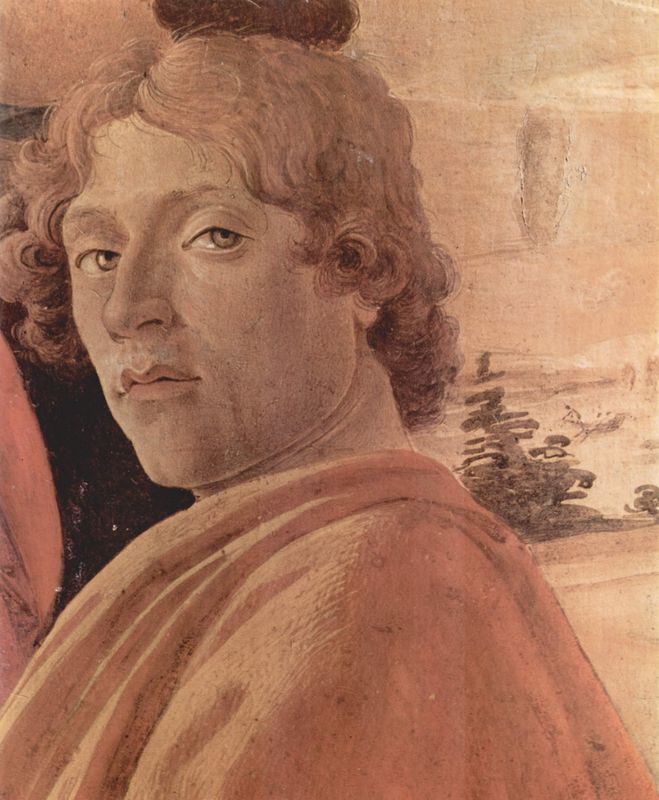
- Full Name:
- Alessandro di Mariano Filipepi Botticelli
- Short Name:
- Botticelli
- Alternative Names:
- Sandro Botticelli
- Date of Birth:
- 1445
- Date of Death:
- 17 May 1510
- Focus:
- Paintings
- Mediums:
- Oil
- Subjects:
- Figure
- Art Movement:
- Renaissance
- Hometown:
- Florence, Italy
- Sandro Botticelli Biography Page's Content
- Introduction
- Early Years
- Middle Years
- Advanced Years
Introduction
Alternative career:
Like many talented artists, Botticelli initially trained in a career completely different to his abilities as an artist. Sandro Botticelli was initially trained by his brother Antonio to be a Goldsmith before his real gift as a painter was actualized by his first master, Fra Filippo Lippi.
Alessandro de Mariano di Vanni Filipepi is best known by his nickname, Sandro Botticelli, and by his works, which only long after his death were considered to be some of the greatest of the Renaissance, particularly by groups such as the Pre-Raphaelites.
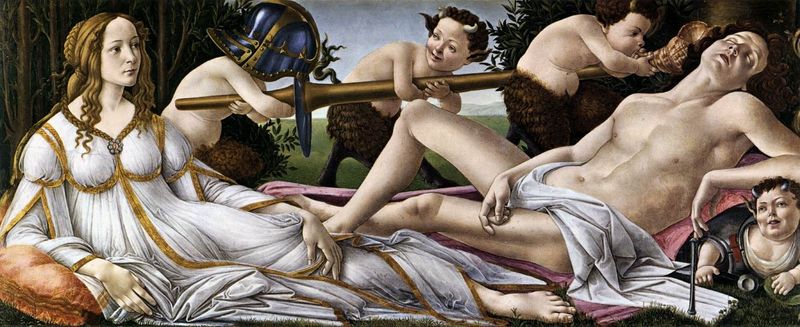
Botticelli's life, for the most part, was personified by success, the height of which saw him paint some of the wall frescoes in the Sistine Chapel. Botticelli is most fondly remembered for his works The Birth of Venus, Primavera and Venus and Mars.
Despite a considerable amount of fame and recognition, Botticelli's working career is blighted by its conclusion, which was undermined by the new artistic movement of the High Renaissance.
Sandro Botticelli Early Years
-

Birth of Venus
-
Filippo Lippi
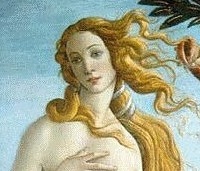
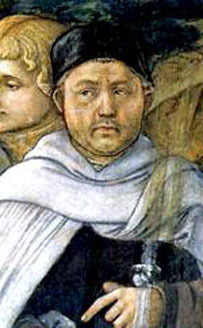
Details about Botticelli's personal life are sparse, but his prolific professional career is well documented due to the stunning heights of his fame.
Botticelli's career started at age 14, where he was apprenticed to Fra Filippo Lippi who had a noticeable effect on his painting style and many historians are keen to note that he adopted Lippi's intimate and detailed artistic technique. Such delicate expressions on the faces of Botticelli's models in addition to his decorative approach led to his growing notoriety as an artist.
Botticelli's rising talent meant that by the age of 15 he was able to open a workshop of his own. Such a development of talent led to a distinctive artistic style, which was epitomized by life-like figures with a sad or melancholic style. Perhaps one of the most striking aspects of his work that definitely lent to his popularity at the time was his incorporation of Neo-Platonism. The method meant that he could appeal to many tastes by including Christianity and paganism in his works.
Many historians note that Botticelli suffered from unrequited love towards the model of his Birth of Venus painting. Despite this popular claim the artist was at one point in his life charged with sodomy and the summary of the charge noted that "Botticelli keeps a boy".
Sandro Botticelli Middle Years
-
Lorenzo de' Medici
-
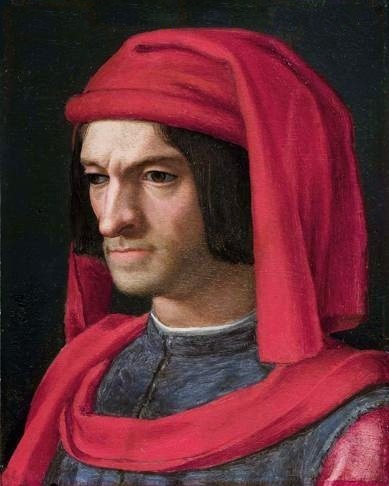
The defining point of Botticelli's career was the contacts, money and increased fame that grew in abundance at the bequest of the Medici family. The Medici's were a prominent and wealthy family in Florence and as Botticelli's fame rose, the family sought him to depict its key members.
The Medici influence propelled Botticelli's fame to meteoric proportions and as a direct result he was asked by the Papacy to travel to Rome to paint parts of the Sistine Chapel. Such an honor was shared by some of the Renaissance's greatest artists, such as Ghirlandaio, Perugino and even Michelangelo. Botticelli's work in Rome included three large pieces and several portraits in the Sistine Chapel itself.
During Botticelli's era the Papacy was the most respected of art critics. Papal sanction was the ultimate endorsement for any burgeoning artist and an opportunity to paint one of Rome's greatest monuments, The Sistine Chapel, was the highest of honors.
Sandro Botticelli Advanced Years
-
-
Girolamo Savonarola
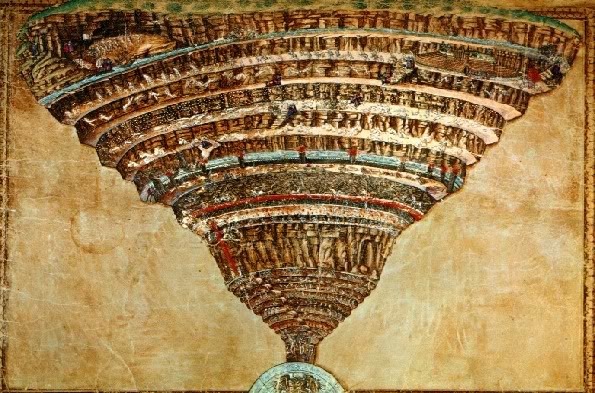
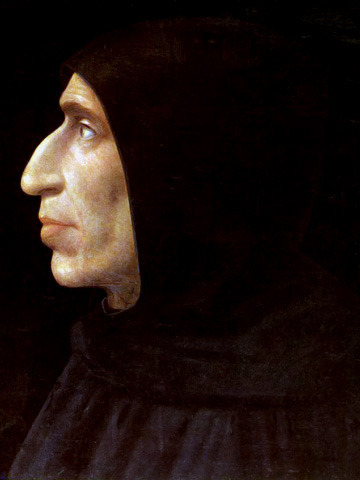
Botticelli's later career was marked by the influence of one charismatic monk in Florence by the name of Savonarola. At Savonarola's peak of popularity, he burned many works of art and books which he deemed to be ungodly. Among such works were some of Botticelli's pieces and even after Savonarola's popular decline and eventual death Botticelli's paintings remained deeply religious.
Botticelli remained in Florence despite pressures to flee after Savonarola's downfall and made a name for himself as one of the best painters of altarpieces.
Despite such success, however, Botticelli's later career was blighted by a time of great change in Florence and it was to lead to troubling times for the artist. In an effort to keep up with constantly changing styles and techniques Botticelli accepted difficult commissions, which other artists would not. Botticelli's decline was cemented by the onset of the High Renaissance, in which his artistic style seemed outdated in comparison. Contemporary artists such as Leonardo da Vinci and Michelangelo further pushed Botticelli from the artistic spotlight.
After having left Florence once in his entire life, Botticelli died in his hometown on May 17th 1510.